
How to Get a Personal Loan for Self-Employed Individuals in 2026 (Complete Guide)
Self-employed individuals often face unique challenges when applying for personal loans. Traditional lenders usually prefer borrowers with stable salaries and consistent employment records.
However, many lenders now recognize the growing number of freelancers, entrepreneurs, and gig workers. As a result, several loan programs are designed specifically for self-employed borrowers.
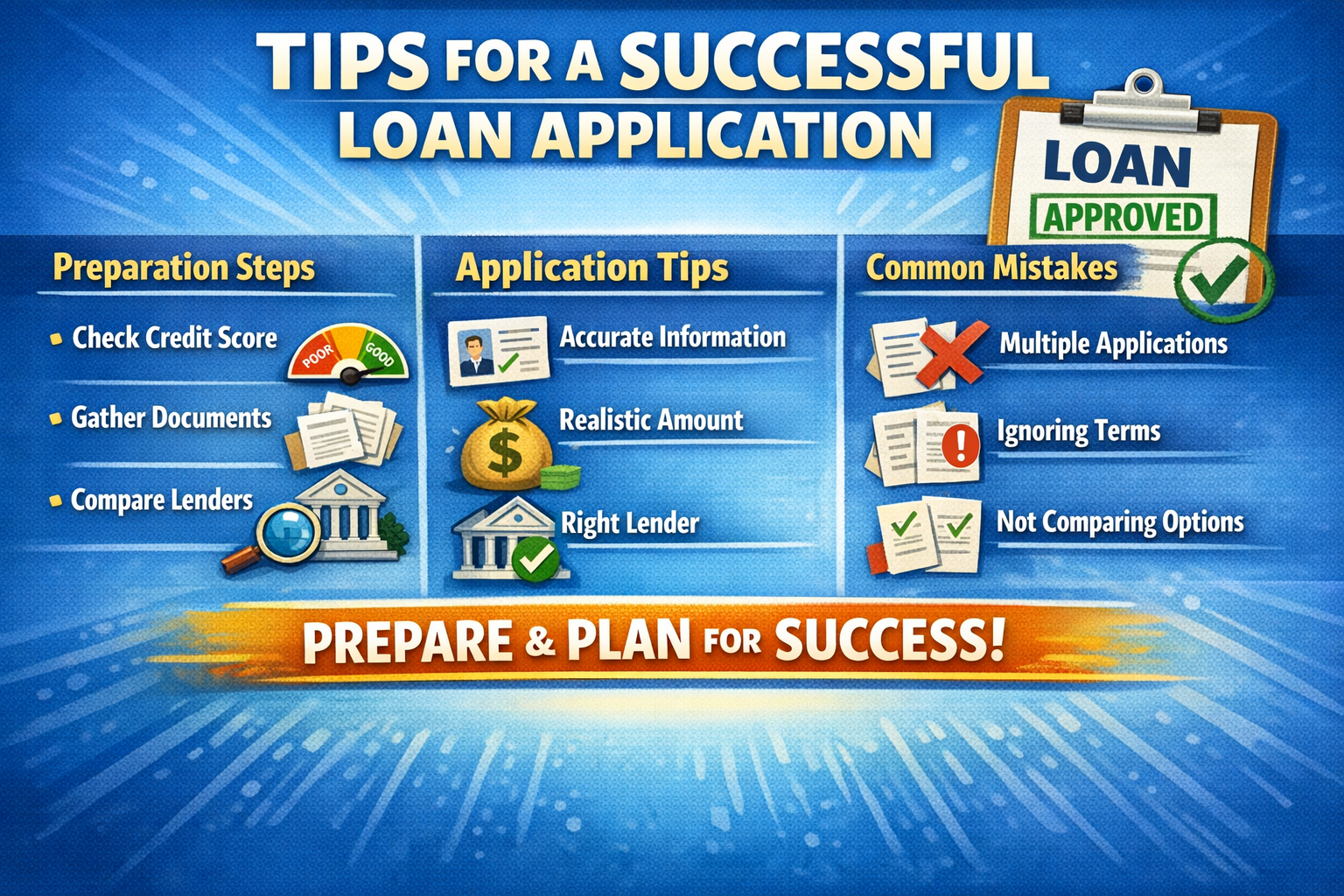
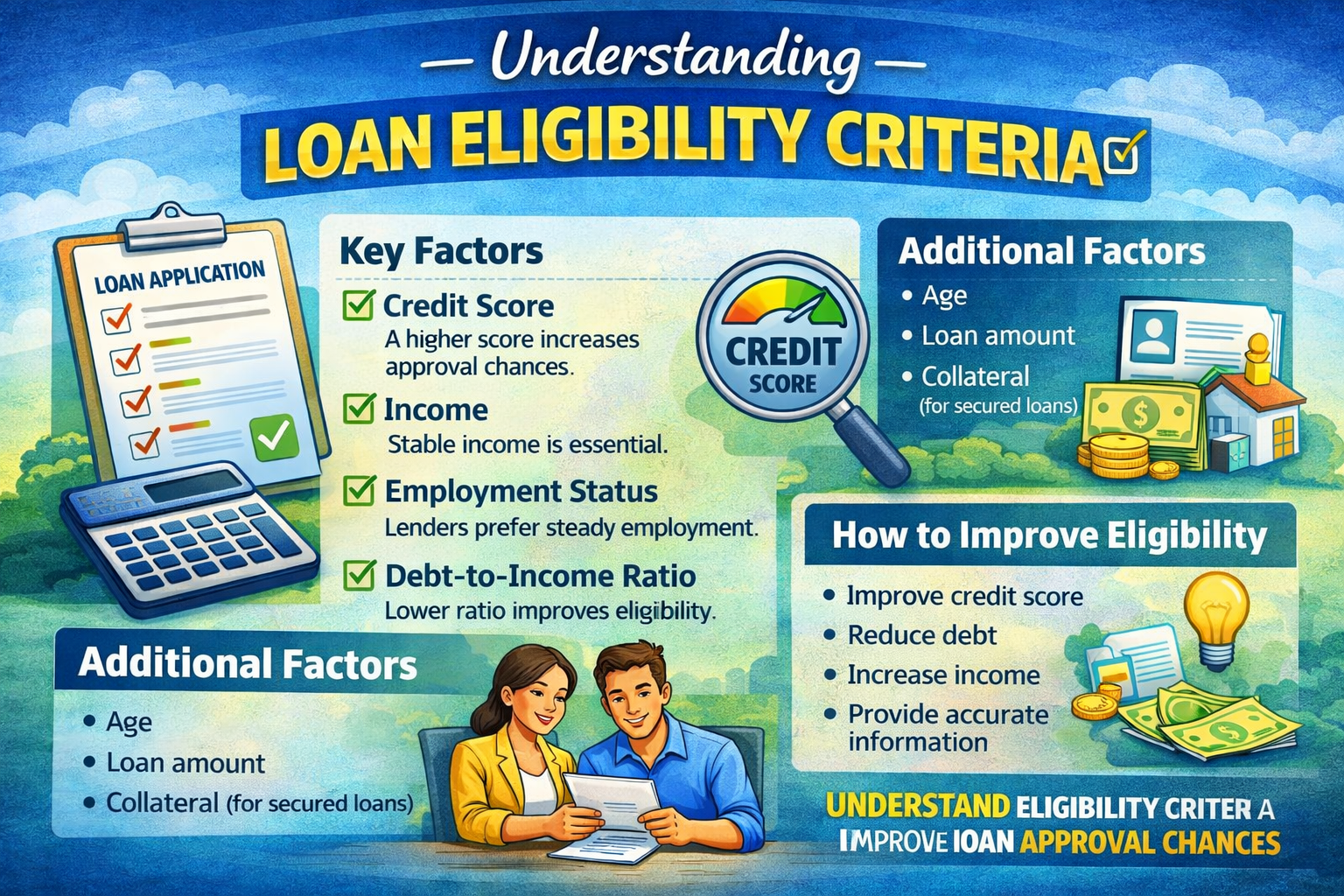
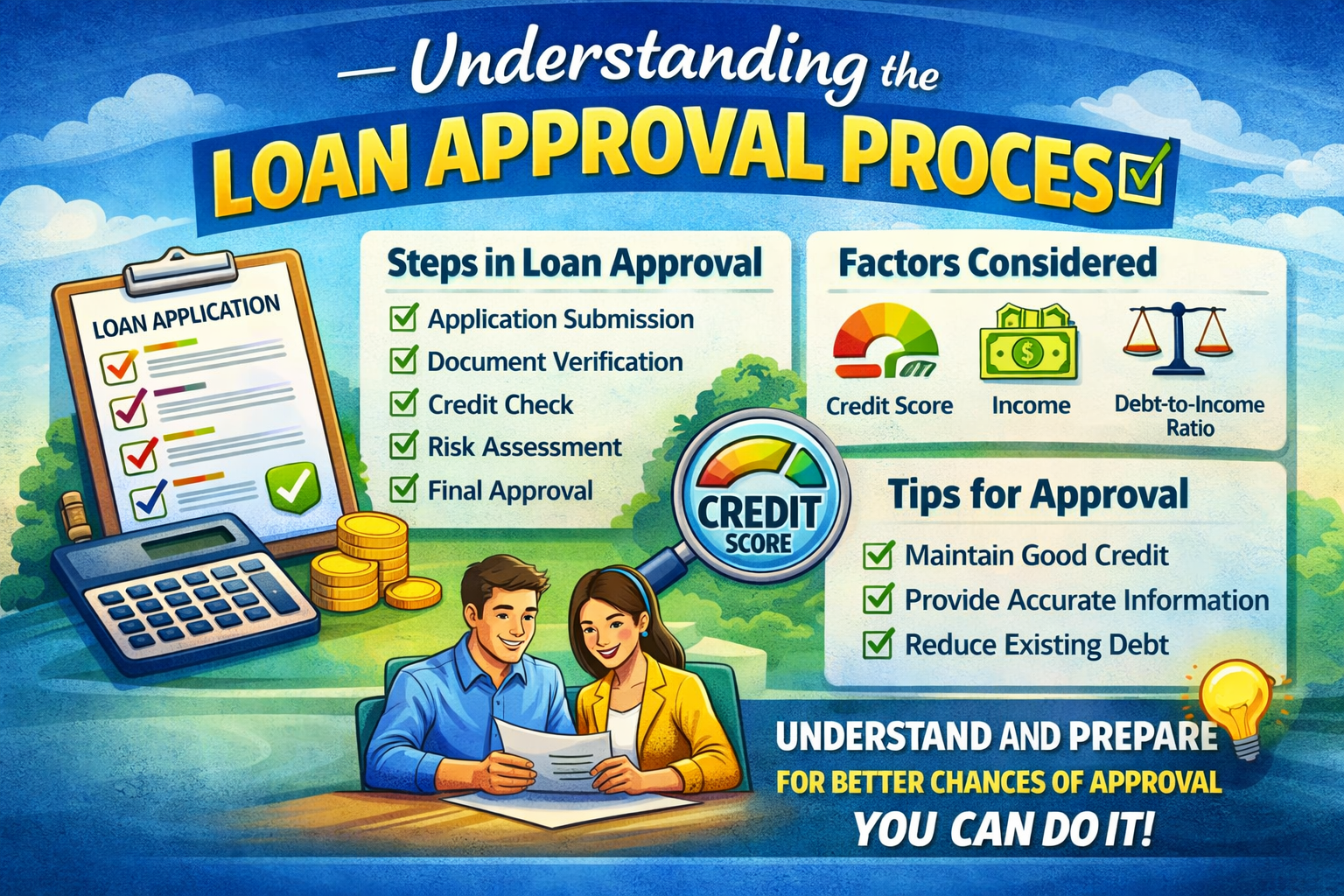
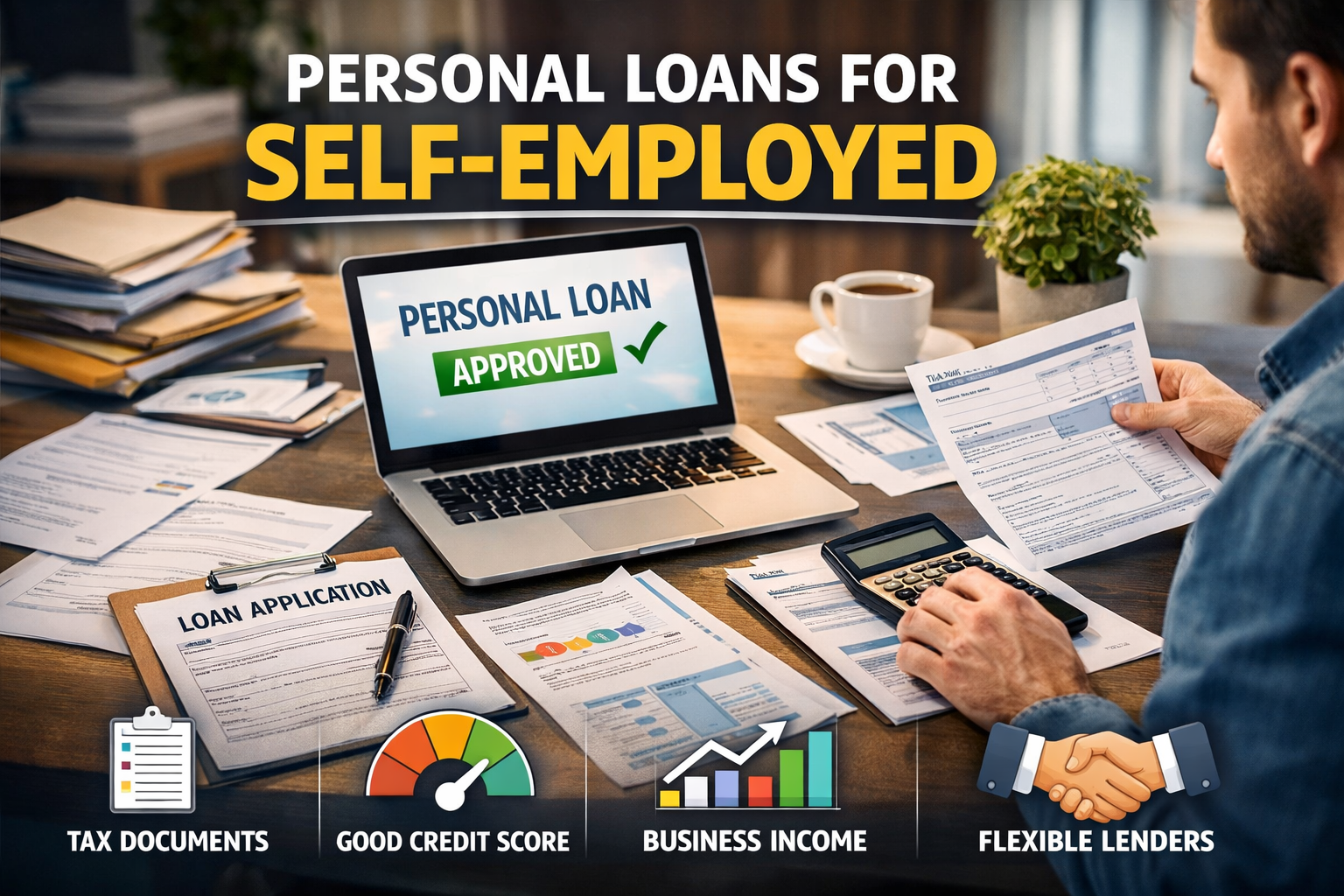
When applying for a personal loan as a self-employed individual, lenders typically request additional documents. These may include tax returns, bank statements, business income records, and profit-and-loss statements.
Maintaining a strong credit score is especially important for self-employed borrowers. A good credit history demonstrates financial responsibility and increases approval chances.
Another useful strategy is to maintain organized financial records. Clear documentation of income and expenses can help lenders evaluate loan applications more easily.
Some lenders also offer loans based on business revenue instead of traditional employment verification. These options provide greater flexibility for entrepreneurs.
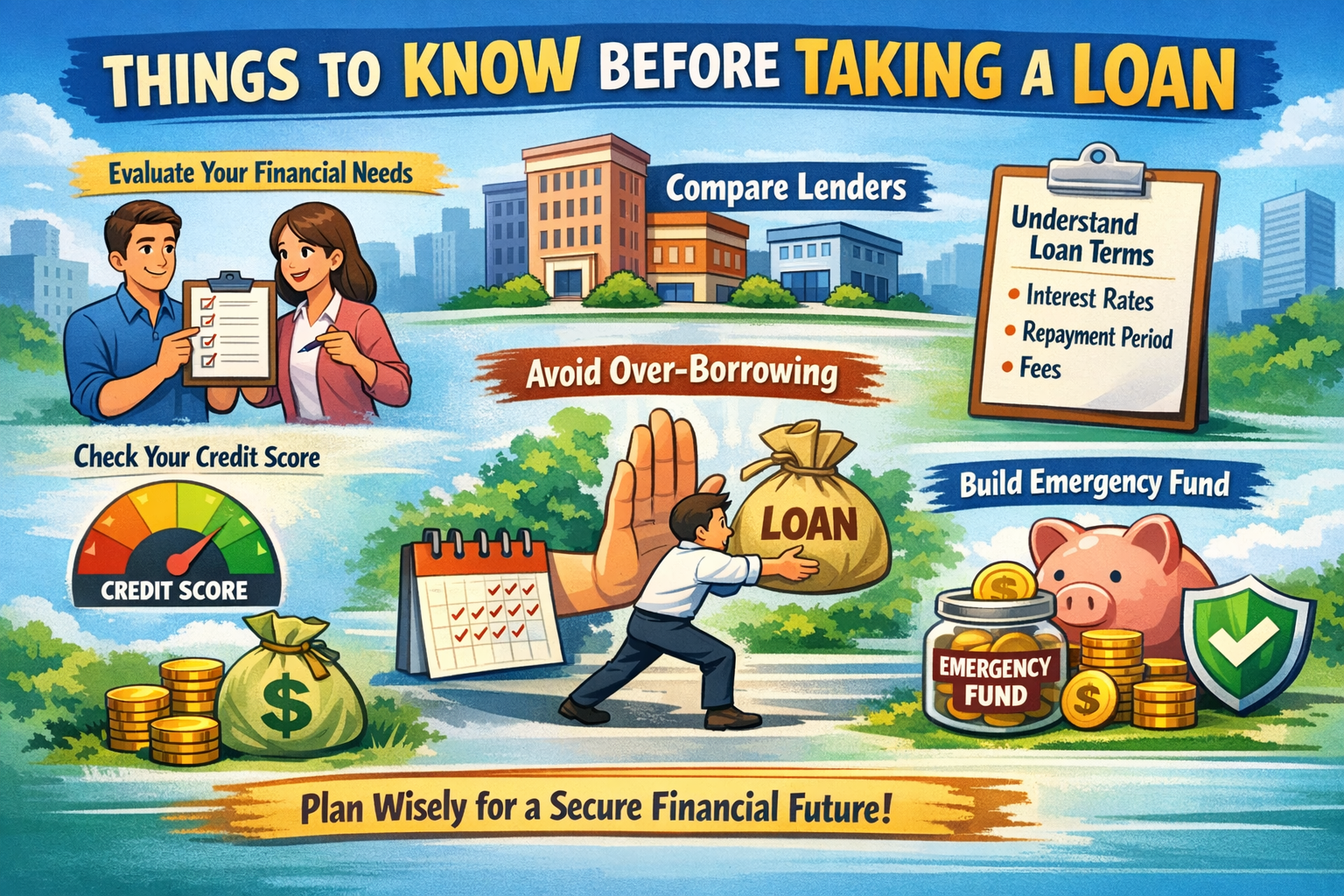
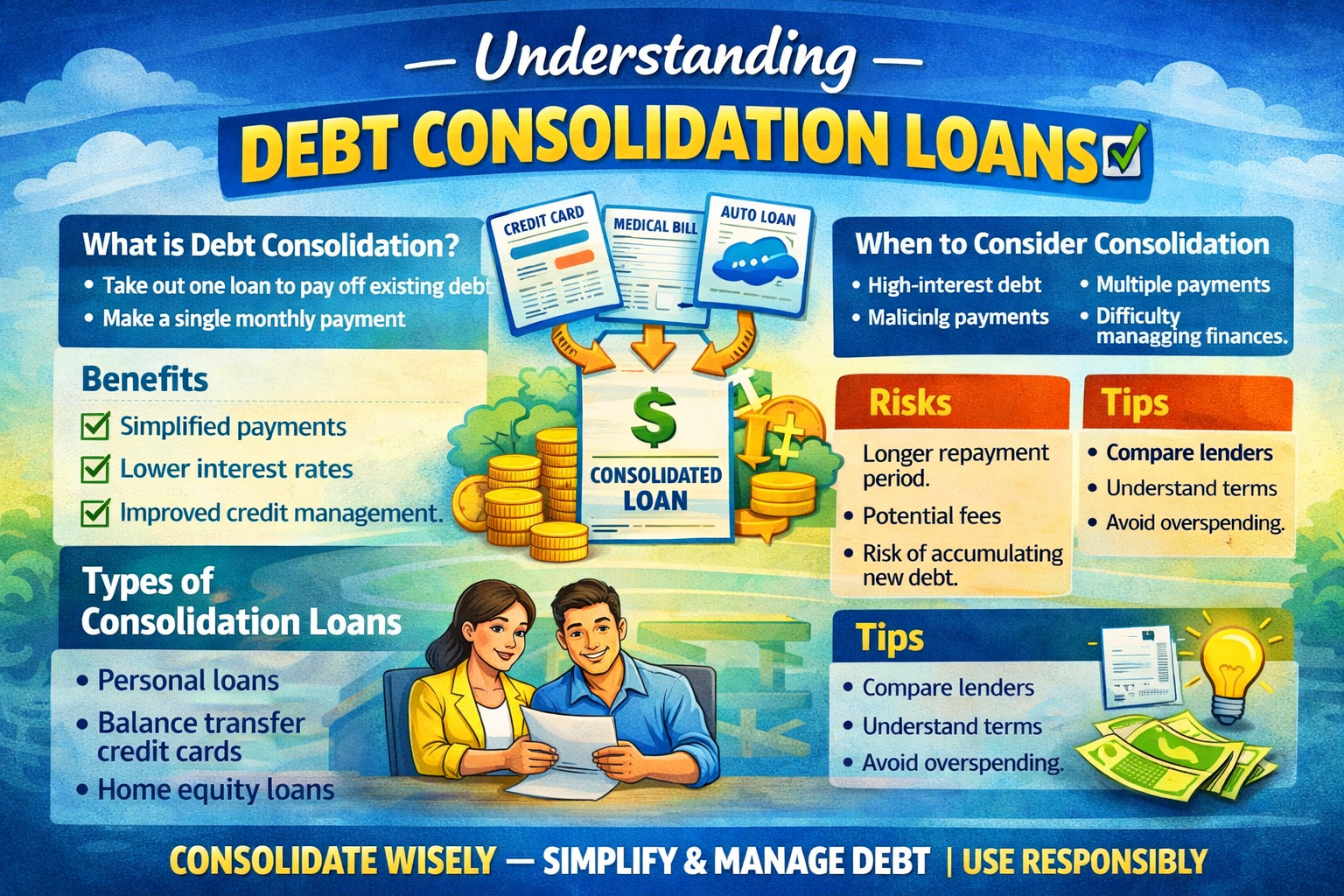
Self-employed borrowers should also compare different lenders to find the best loan terms. Online lenders often provide more flexible requirements compared to traditional banks.
In conclusion, while obtaining a personal loan as a self-employed individual may require additional documentation, it is certainly possible. With proper financial planning and strong credit management, self-employed borrowers can successfully secure personal loans.