Personal Loan vs Credit Card: Which Is Better for Debt and Large Expenses?
When people need extra money, two of the most common financial options are personal loans and credit cards. Both options provide access to funds, but they work differently and are suitable for different situations. Understanding the differences between these two financial tools can help you choose the best option for your needs.
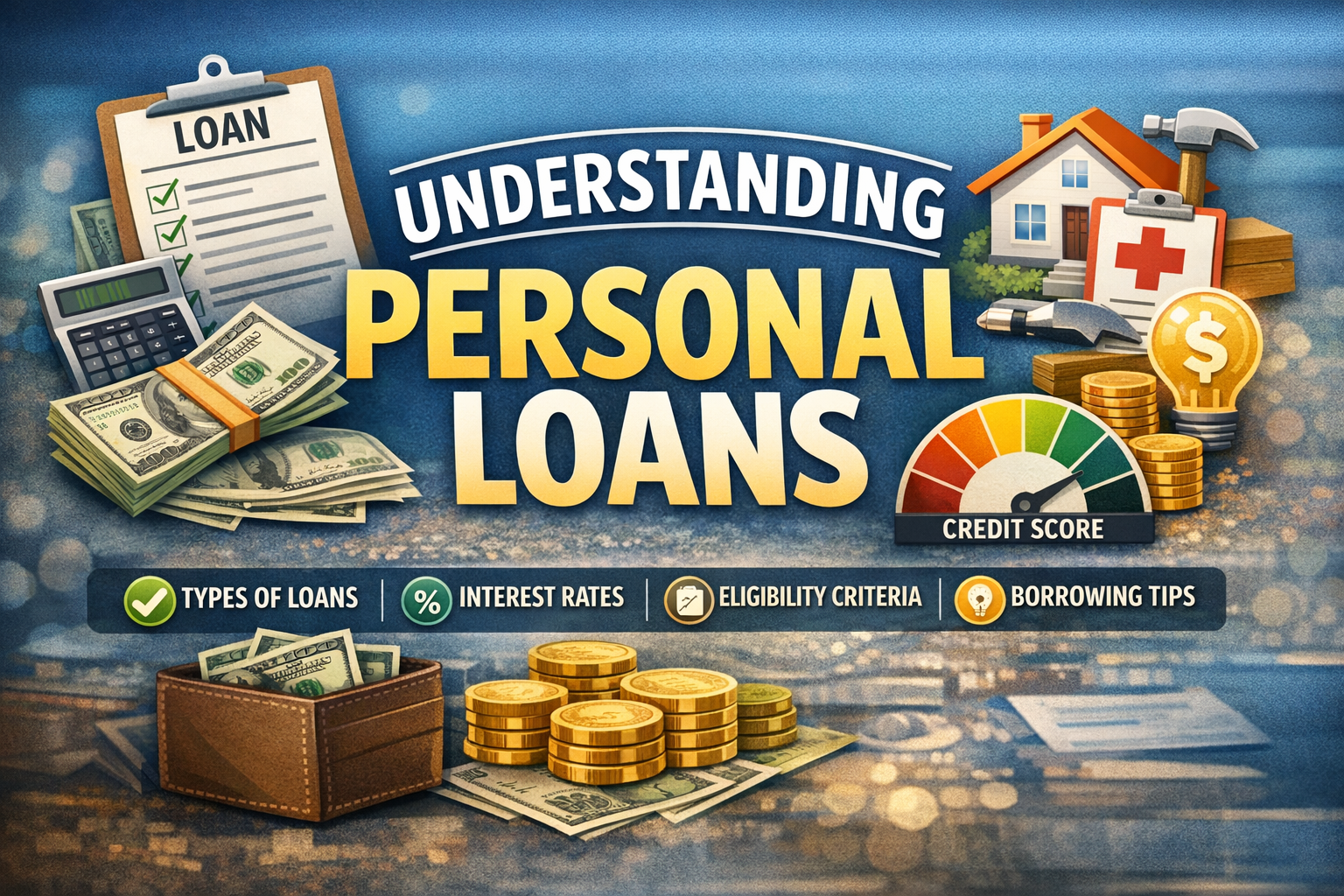
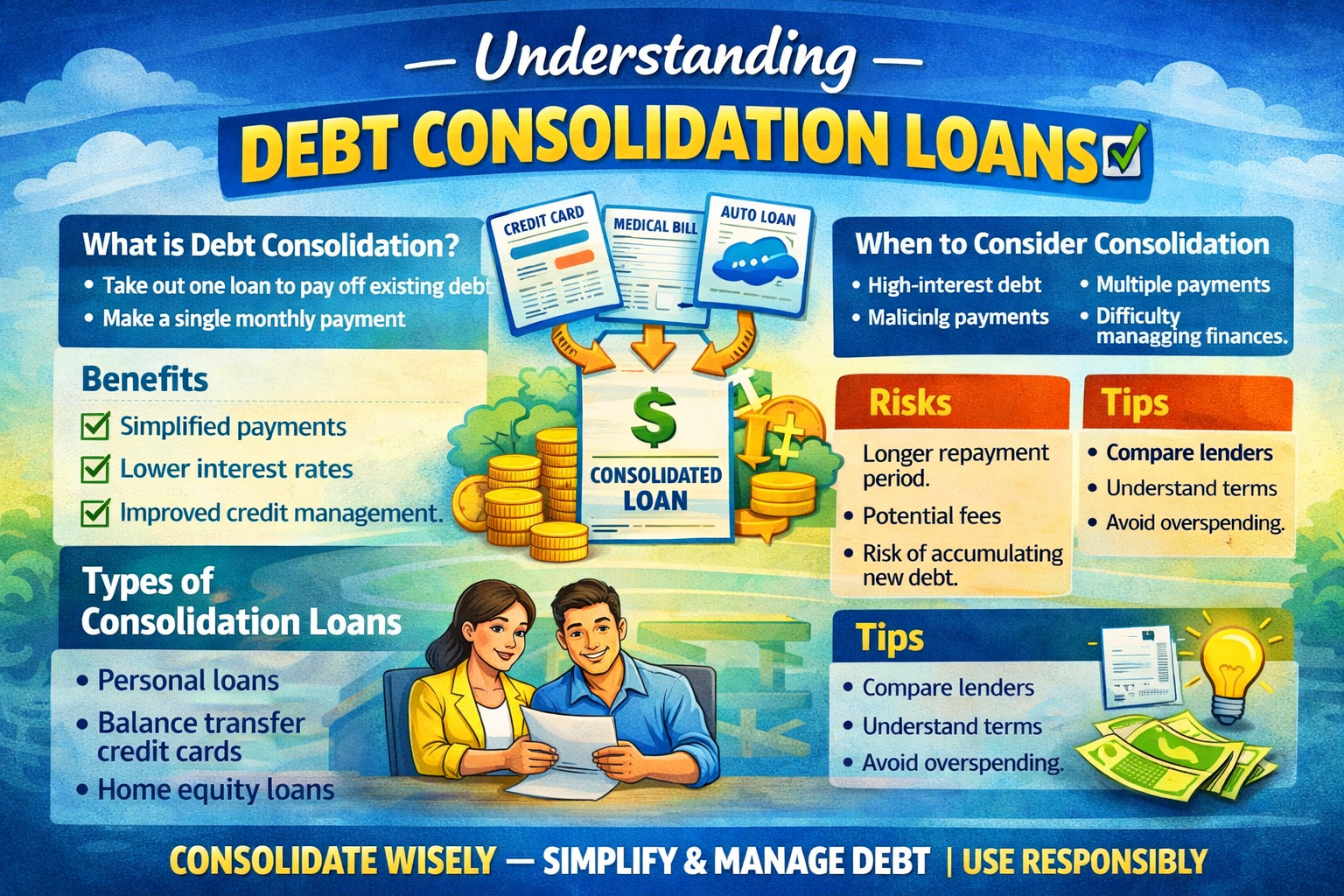
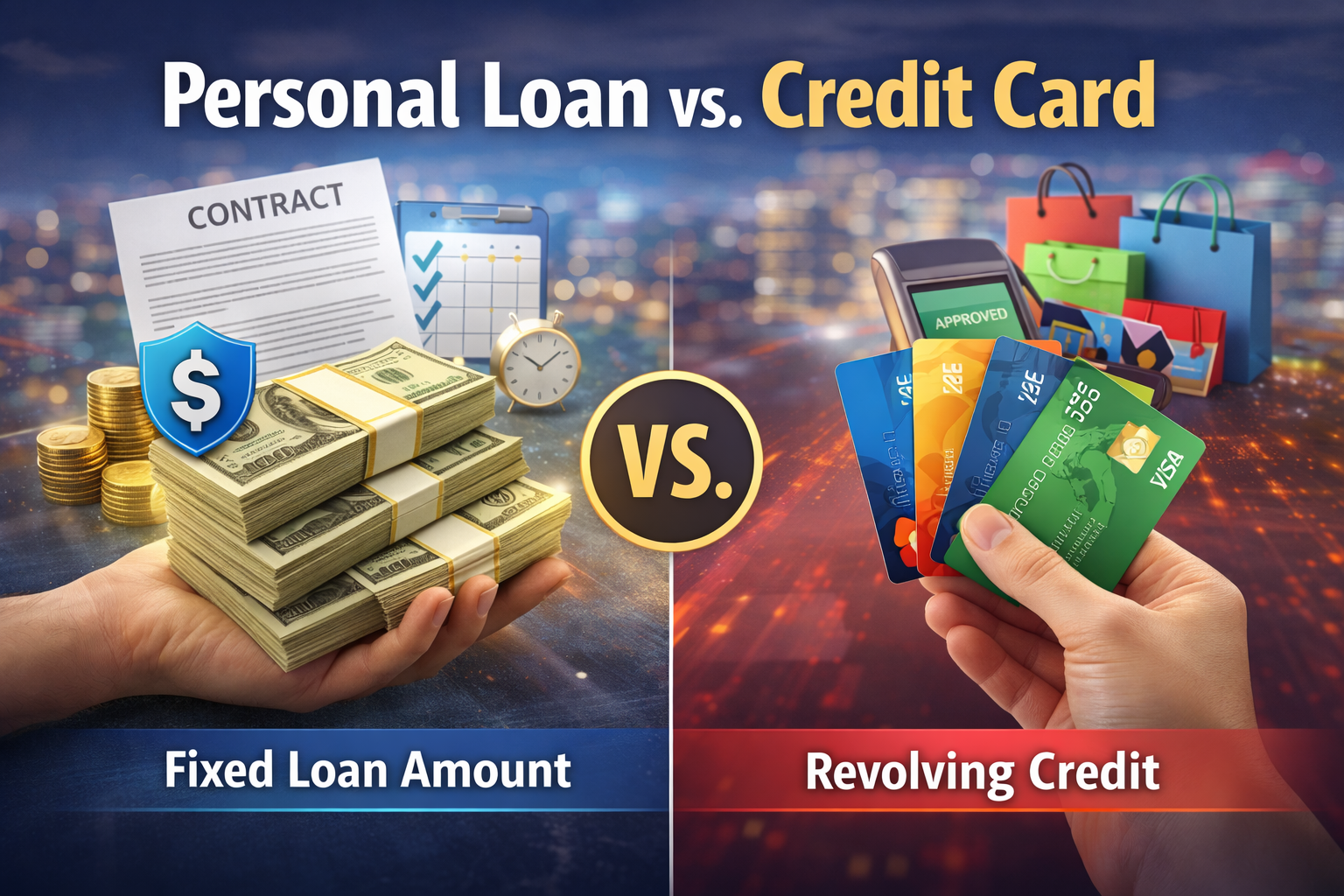
A personal loan provides a lump sum amount that you repay in fixed monthly installments over a specific period. These loans usually have fixed interest rates and predictable payment schedules. This makes them easier to manage for long-term expenses such as home improvements, medical bills, or debt consolidation.
Credit cards, on the other hand, provide a revolving line of credit. This means you can borrow money up to a certain limit and repay it gradually. Unlike personal loans, credit card balances can change every month depending on how much you spend and repay.
One major difference between personal loans and credit cards is interest rates. Personal loans often have lower interest rates than credit cards, especially for borrowers with good credit scores. Credit cards typically charge higher interest rates, particularly if the balance is not paid in full each month.
Another difference is flexibility. Credit cards allow you to borrow repeatedly without reapplying for a new loan. Personal loans provide a fixed amount that cannot be increased without applying again.
For large expenses, personal loans are often the better option because they offer structured repayment plans and lower interest rates. Credit cards may be more suitable for smaller purchases or short-term borrowing.
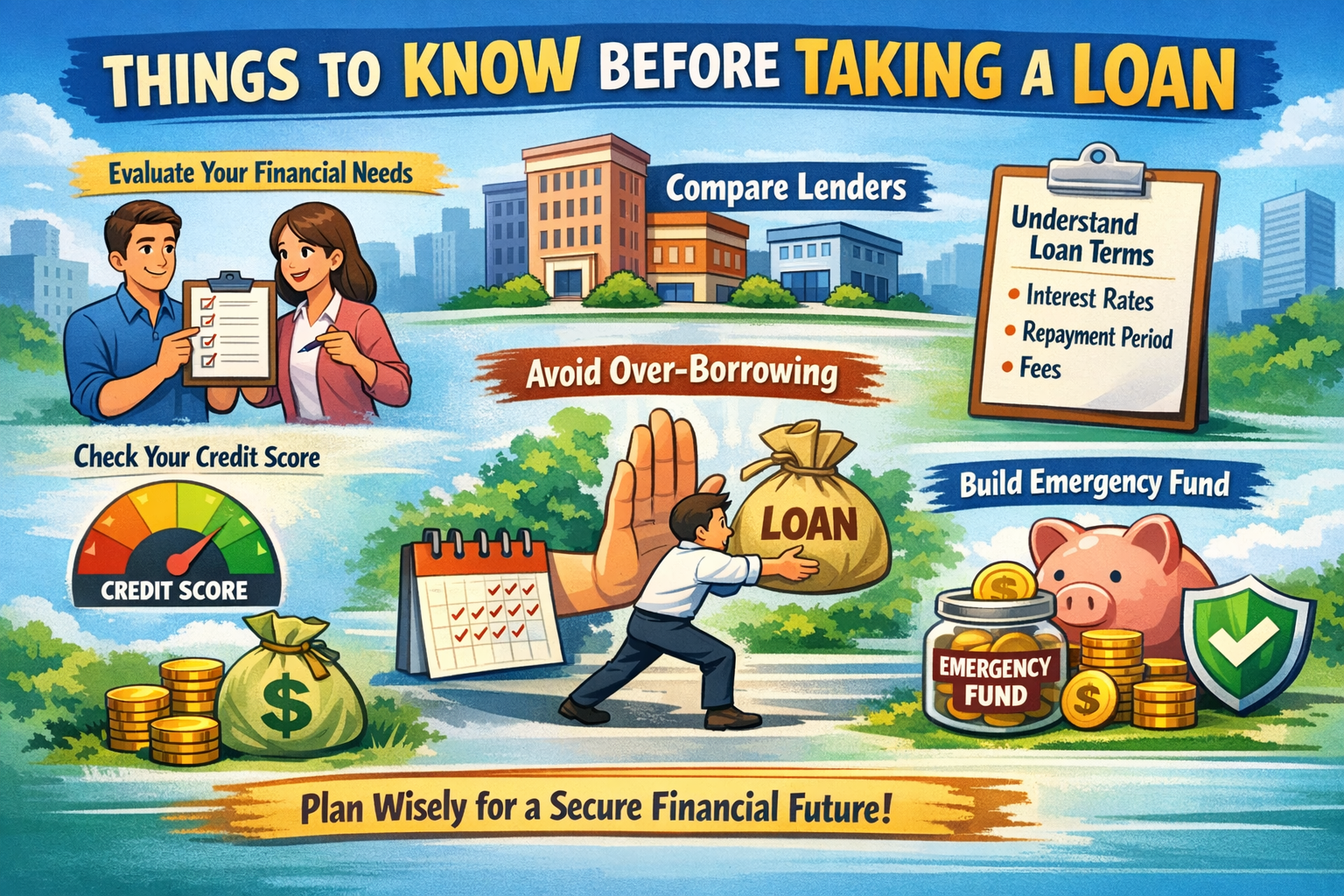
Before choosing between a personal loan and a credit card, it is important to evaluate your financial situation. Consider factors such as interest rates, repayment ability, and the purpose of the funds.
In conclusion, both personal loans and credit cards can be useful financial tools. The best option depends on your specific needs and financial habits. Borrowing responsibly and understanding the terms of each option can help you make the right decision.