Student Loans 2026: Compare Rates, Lenders & Repayment Options
Student loans continue to be one of the most essential financial tools for students pursuing higher education. With rising tuition costs, many students and families rely on student loans to cover expenses such as tuition fees, accommodation, books, and other educational costs. In 2026, both federal and private lenders offer a wide range of student loan options, making it important to understand which loans are best suited for your needs.
Understanding Student Loans
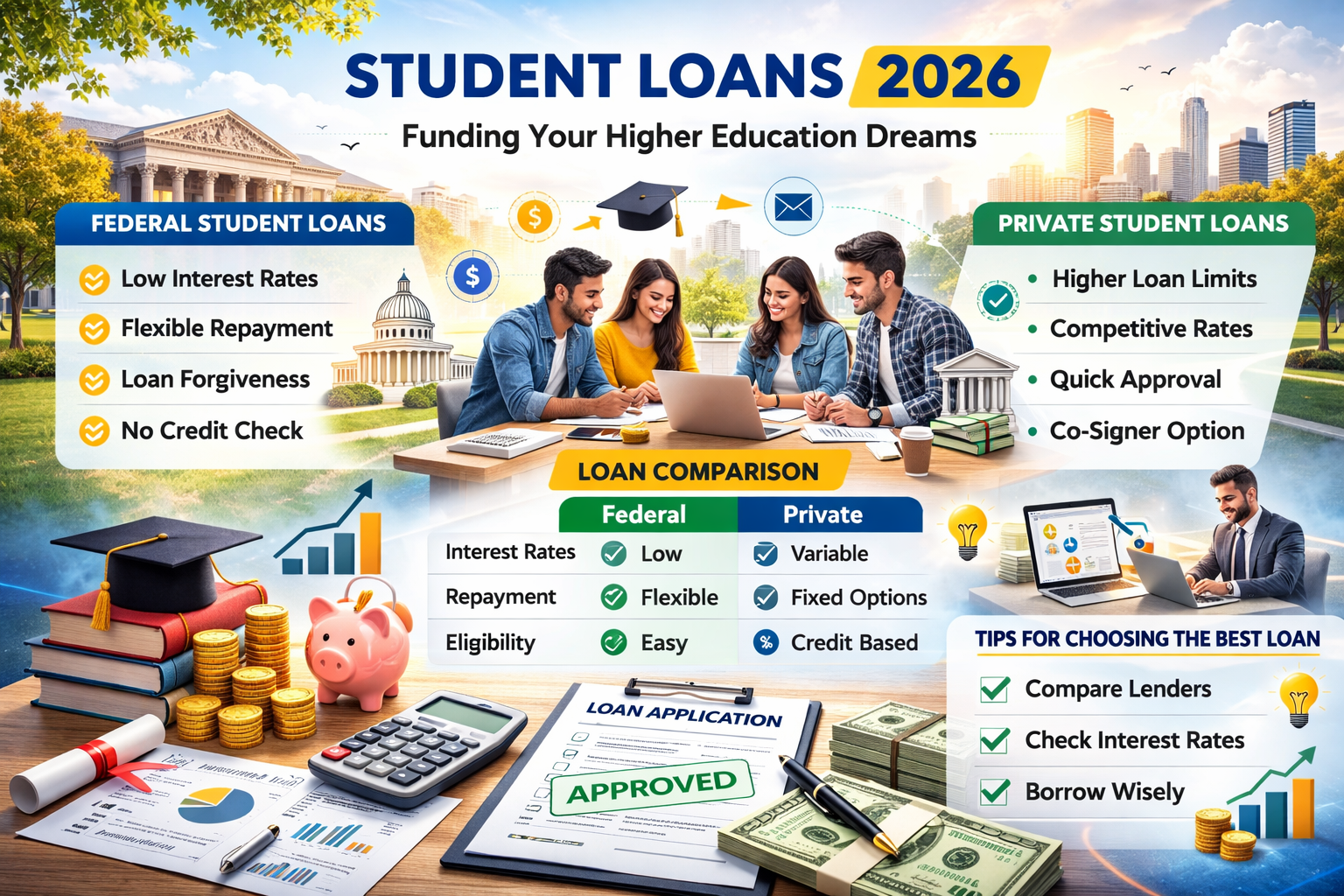
Student loans are specifically designed to help students finance their education. These loans typically come with lower interest rates compared to other types of loans and often provide flexible repayment options. There are two main categories of student loans:
- Federal student loans
- Private student loans
Each type has its own benefits and eligibility requirements.
Federal Student Loans
Federal student loans are provided by the government and are usually the first choice for students. These loans offer several advantages:
- Lower interest rates
- Flexible repayment plans
- Loan forgiveness programs
- No credit check required in many cases
Common types of federal loans include Direct Subsidized Loans and Direct Unsubsidized Loans.
Private Student Loans
Private student loans are offered by banks, credit unions, and online lenders. These loans are typically used when federal aid is not enough to cover educational expenses.
Benefits include:
- Higher borrowing limits
- Competitive interest rates for good credit borrowers
- Flexible repayment terms
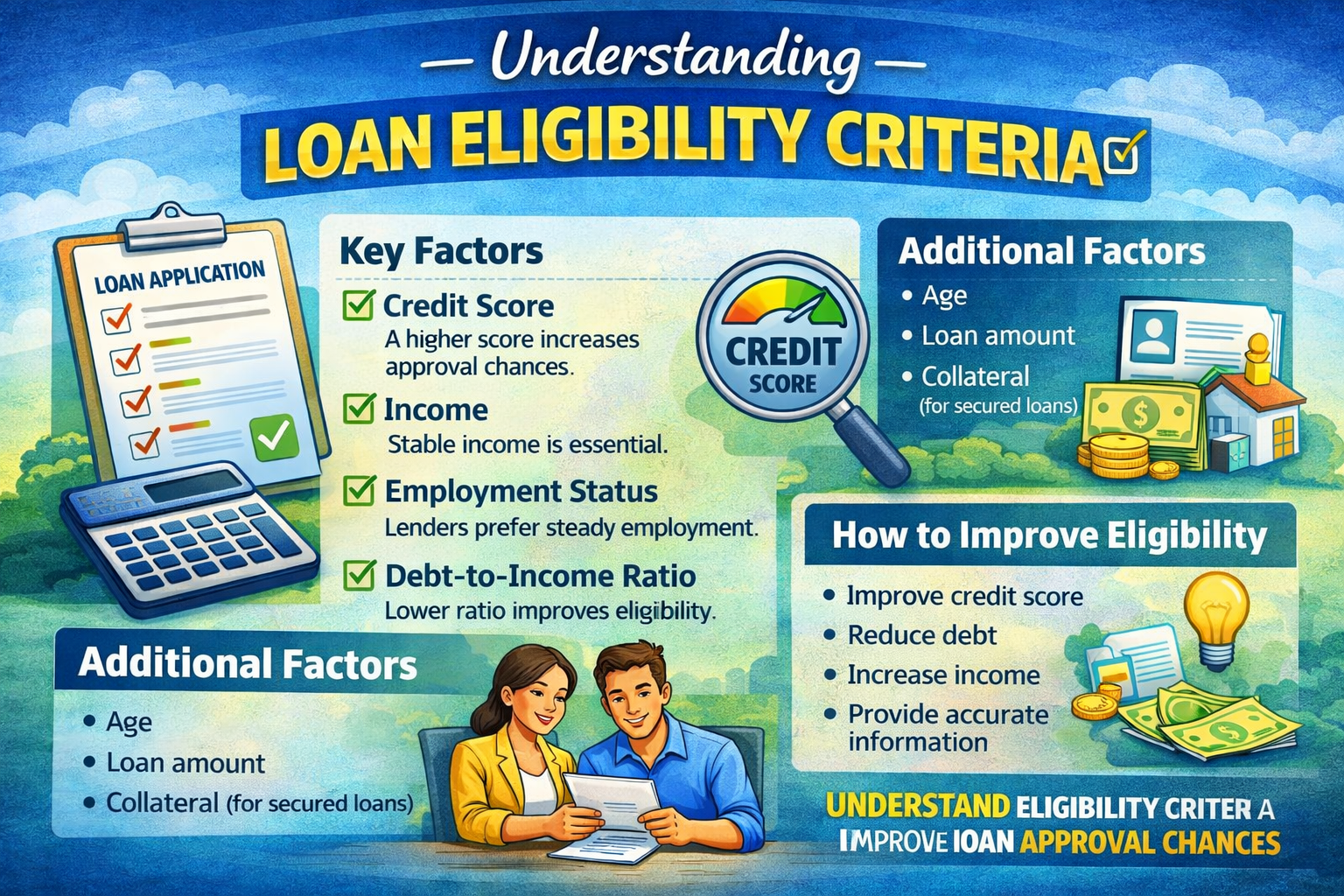
However, private loans may require a co-signer and often have stricter approval requirements.
Factors to Consider When Choosing a Student Loan
Interest Rates
Interest rates can significantly affect the total cost of the loan. Borrowers should compare both fixed and variable interest rates.
Repayment Terms
Flexible repayment options can make it easier to manage loans after graduation.
Fees
Some loans include origination fees or late payment penalties.
Loan Limits
Understanding how much you can borrow is essential for planning your education expenses.
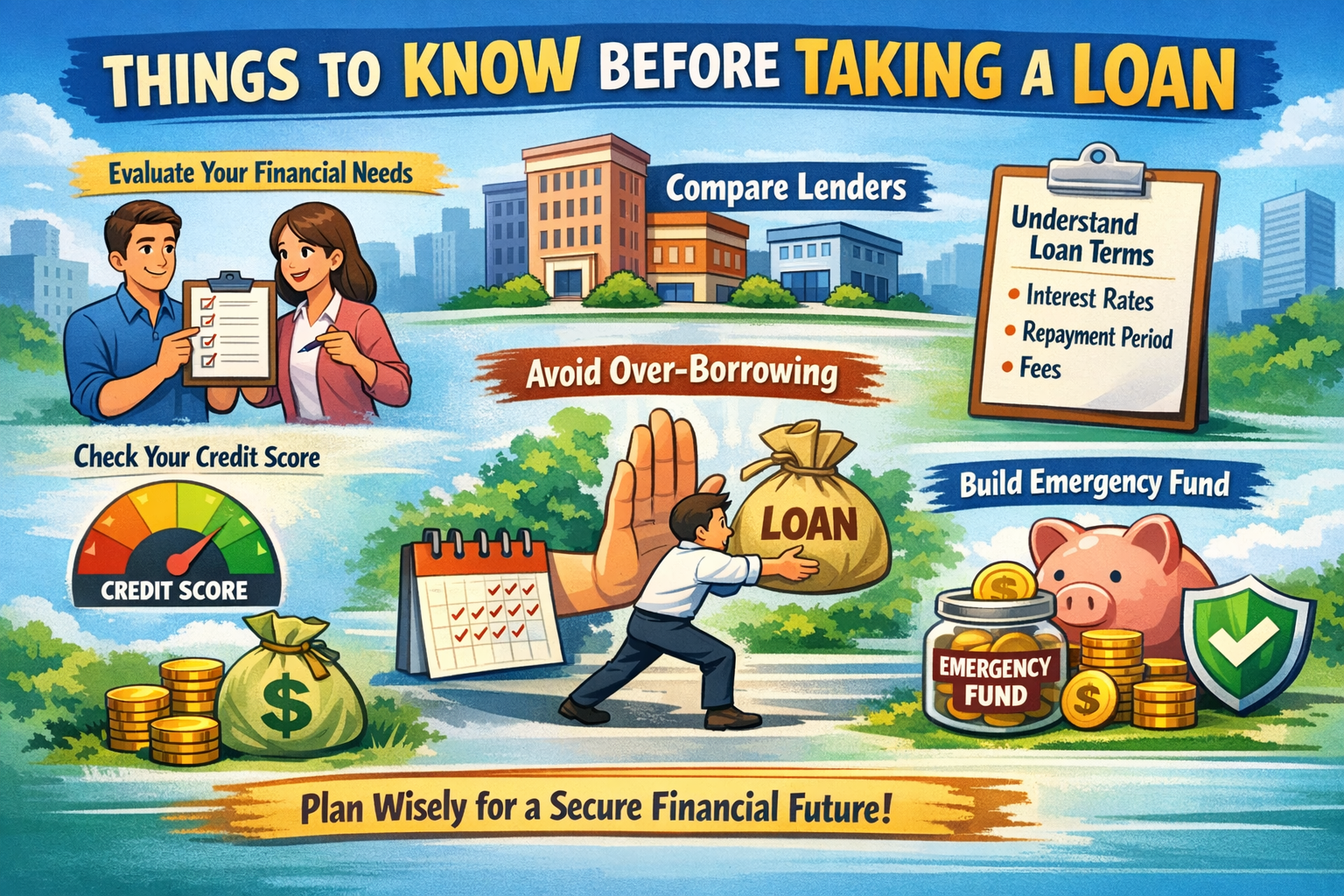
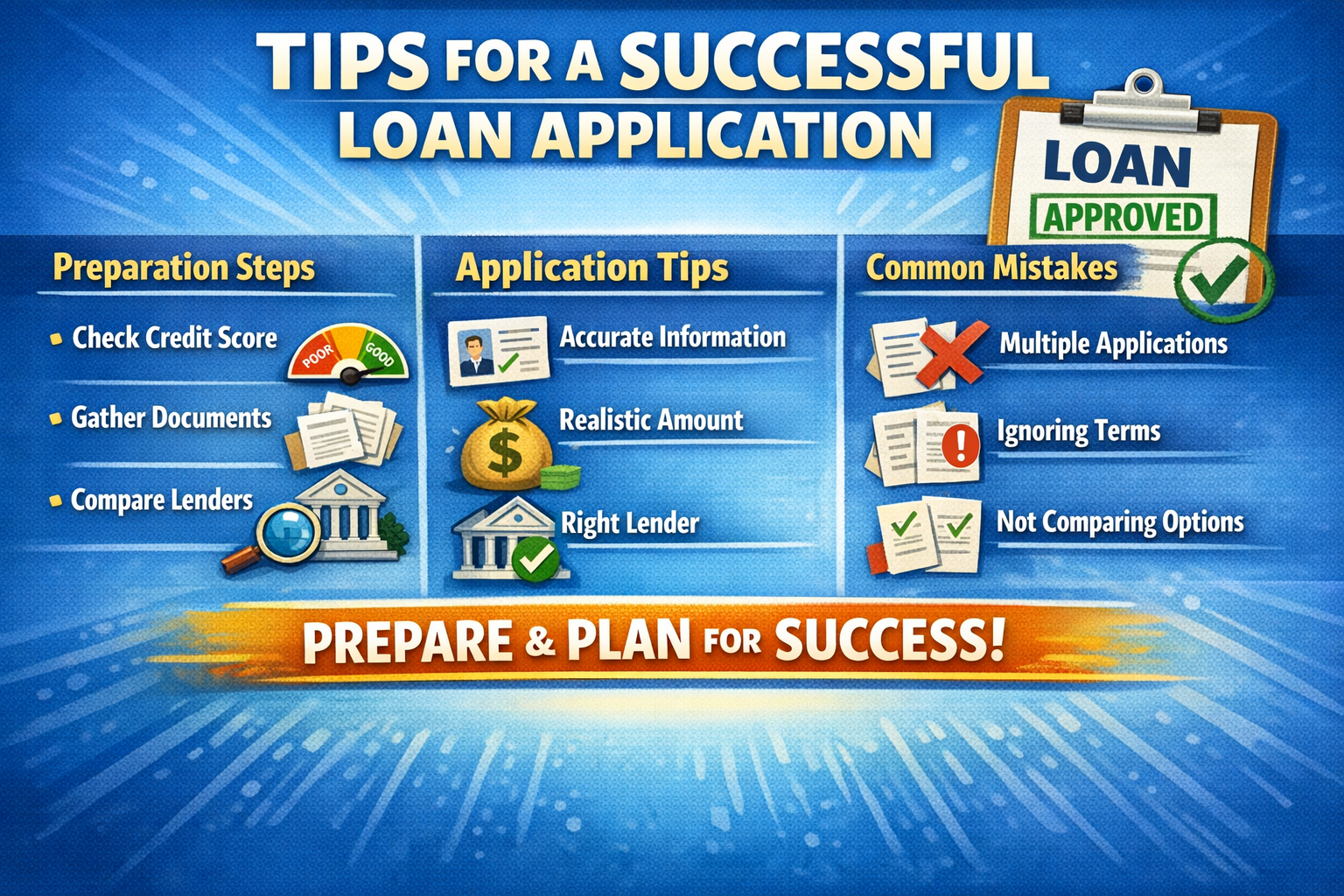
Tips for Choosing the Best Student Loan
- Always explore federal loan options first
- Compare multiple private lenders
- Consider applying with a co-signer for better rates
- Borrow only what you need
Conclusion
In 2026, students have access to a wide range of loan options. By understanding the differences between federal and private loans and carefully evaluating loan terms, borrowers can make informed decisions that support their educational goals without creating unnecessary financial burden.